




 08/28/2026 - 19:24 PM

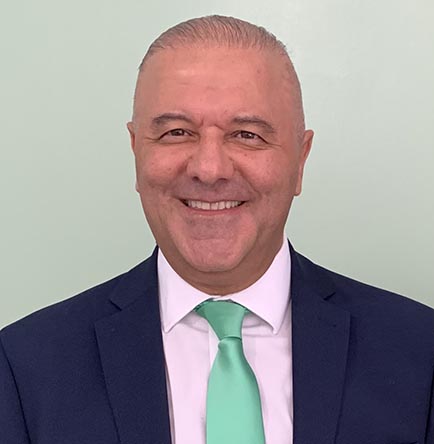
Houston, TX - The ASCO Post, the official publication of the American Society of Clinical Oncology (ASCO), published an article in its August 25, 2026 edition by Philip A. Salem, MD, President of Salem Oncology Center in Houston, Texas, detailing a cutting‑edge therapeutic strategy for patients with advanced, treatment‑refractory malignancies.
The strategy, known as ICTriplex, integrates three major therapeutic modalities, chemotherapy, immune checkpoint inhibitors, and molecularly targeted therapy, administered concomitantly within a highly individualized treatment framework.
Developed at Salem Oncology Center, ICTriplex departs from the conventional paradigm in which patients with the same anatomic or histopathologic cancer diagnosis may receive a standardized treatment protocol. The strategy is based on the increasing awareness that cancers sharing the same traditional diagnosis often exhibit substantially different biological and genomic characteristics.
Accordingly, ICTriplex treatment is individualized based on both the conventional diagnosis and the distinct biological and genomic profile of each patient’s tumor. Although the therapeutic framework includes chemotherapy, immunotherapy, and targeted therapy, the specific agents and regimen are tailored to the individual patient and to his unique cancer. Thus, two patients with the same anatomic and histopathologic diagnosis may receive distinctly different treatment protocols.
The findings described in The ASCO Post were previously presented at the ASCO Breakthrough Conference, held in Singapore from June 25–27, 2026, and were published in a supplement of the Journal of Clinical Oncology.
The study was conducted at Salem Oncology Center and included patients with advanced malignancies refractory to conventional therapy, including individuals who had exhausted standard therapeutic options. In a population with generally low expected response rates to conventional treatment, the outcomes reported with ICTriplex were notable.
The reported overall response rate was 87.6%, including a complete remission rate of 47.9% and a partial remission rate of 39.7%. Lung cancer demonstrated particularly notable sensitivity, with a reported complete remission rate of 64%.
Among an initial group of 16 patients who had been considered terminal and ineligible for additional therapy at major U.S. cancer centers, nine achieved complete remission. Of those nine patients, four were reported to be alive and disease‑free at five years.
The data support ICTriplex as an innovative, precision‑based strategy for treating advanced malignancies. They also raise an important clinical question regarding whether such an individualized, multimodal approach may ultimately have a role earlier in the course of metastatic disease, rather than being reserved exclusively for patients who have exhausted conventional therapeutic options.
In an interview with KPRC Channel 2 (NBC) in Houston, Dr. Salem emphasized both the promise and limitations of the strategy:
“This strategy is a new vision for the treatment of cancer, but it is certainly not a panacea for the disease. What we have done for patients who were considered hopeless and standing in front of the wall of death — we have opened a window in this wall whereby the patient can look through this window at life rather than at death.”
Publication in The ASCO Post brings the ICTriplex strategy and its clinical findings to the extended oncology community. It contributes to the ongoing discussion surrounding precision oncology, therapeutic individualization, and the integration of chemotherapy, immunotherapy, and targeted therapy.


Comments